
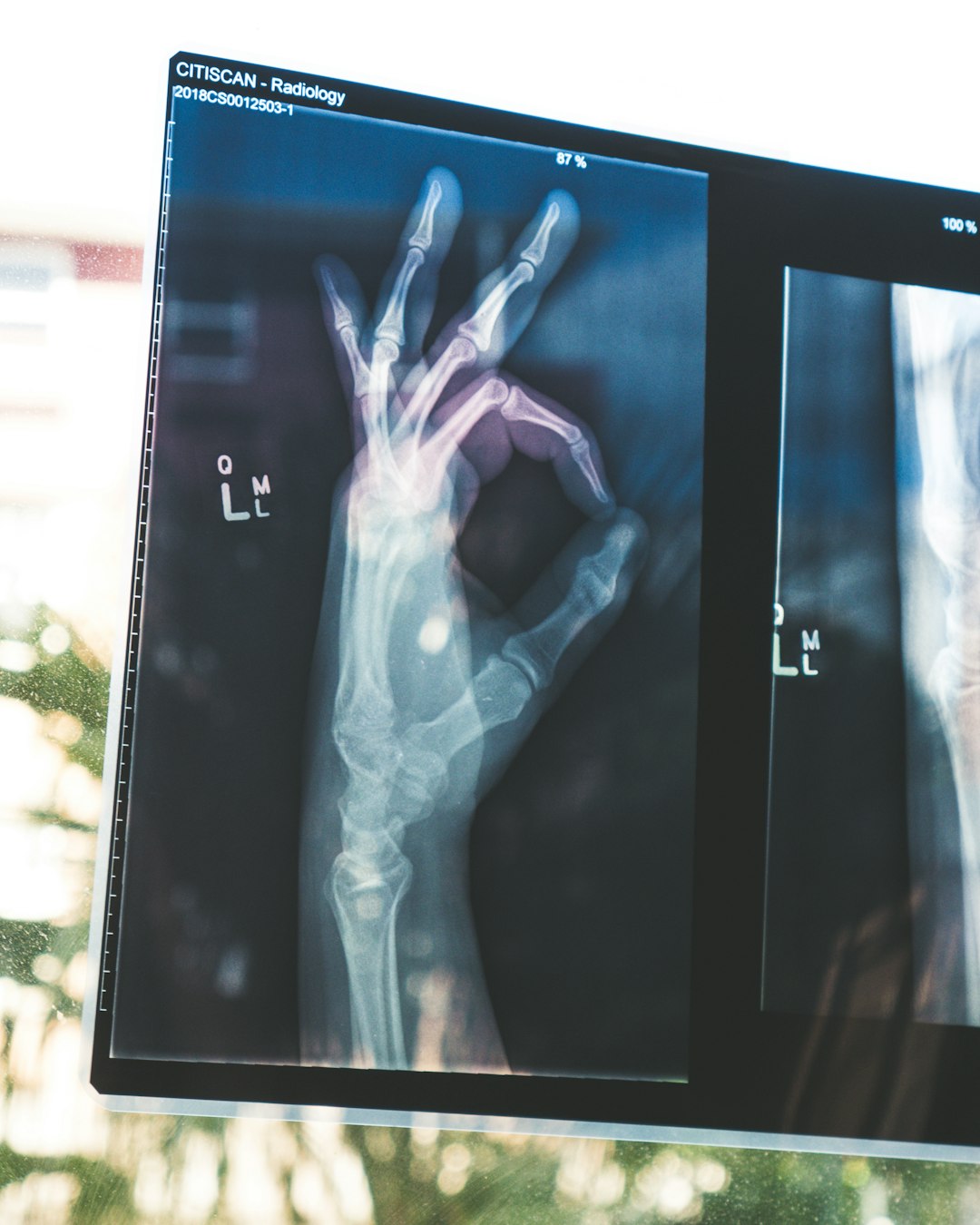
Pectus excavatum can affect much more than appearance. For some patients, the sunken shape of the chest leads to self-consciousness; for others, it may be associated with exercise intolerance, chest discomfort, or concern about heart and lung compression. In Jordan, patients now have access to thoughtful assessment and modern thoracic surgery pathways, which means treatment can be tailored rather than rushed. While some people begin their search broadly with terms such as the best hyperhidrosis surgery doctors in jordan because they are looking for highly trained thoracic specialists, the real priority in pectus excavatum care is finding a surgeon who understands chest wall anatomy, symptom patterns, imaging, and long-term outcomes.
Understanding pectus excavatum and when treatment is worth considering
Pectus excavatum is a structural chest wall condition in which the breastbone appears depressed inward. Its severity varies widely. Some patients have a mild indentation with little or no physical limitation, while others develop symptoms that become more noticeable during adolescence or adulthood. The condition may influence posture, confidence, athletic performance, and in selected cases cardiopulmonary function.
The best treatment plan starts with proper evaluation rather than an automatic decision for surgery. A thorough consultation usually includes a detailed history, physical examination, and imaging to understand the depth and shape of the deformity. Depending on the case, the workup may also include cardiology or pulmonary assessment, especially when the patient reports shortness of breath, reduced stamina, palpitations, or chest pressure.
In Jordan, patients should look for a thoracic surgeon who takes time to distinguish between cosmetic concern alone and a deformity that is contributing to physical symptoms. That distinction matters because it helps define realistic goals. For some patients, the aim is improved chest contour and confidence. For others, it is relief of compression, better exercise tolerance, or correction of an asymmetry that has progressed with growth.
The main treatment options for pectus excavatum in Jordan
There is no single best option for every patient. Age, chest flexibility, symptom burden, severity, and anatomical details all shape the recommendation. In practice, treatment usually falls into supportive care, non-surgical correction in selected cases, or surgery.
| Option | Best suited for | Main advantages | Points to discuss |
|---|---|---|---|
| Observation and follow-up | Mild cases with minimal symptoms | Avoids unnecessary intervention | Needs monitoring if symptoms or deformity progress |
| Posture and physical conditioning | Patients with mild deformity or associated postural issues | May improve chest presentation, comfort, and confidence | Does not correct the underlying bony depression |
| Vacuum bell therapy | Selected younger patients with flexible chest walls | Non-surgical option in appropriate cases | Requires commitment and careful specialist guidance |
| Nuss procedure | Many patients with suitable anatomy, especially younger individuals | Minimally invasive approach with strong cosmetic correction | Requires bar placement and later removal |
| Modified Ravitch procedure | Complex, rigid, or asymmetric deformities | Useful when anatomy is less suitable for a bar-based repair | Approach and recovery differ from minimally invasive repair |
Supportive care can still play an important role. Postural training, chest-opening exercises, and general conditioning may help a patient feel better and look better, even though these measures do not reverse the structural indentation. For carefully selected patients, especially younger individuals with more flexible chest walls, vacuum bell therapy may be discussed as a non-surgical option. Its success depends heavily on anatomy, consistency, and proper supervision.
When surgery is indicated, two operations are most commonly discussed. The Nuss procedure uses one or more curved bars to elevate the sternum from behind through relatively small incisions. The modified Ravitch procedure is an open reconstructive operation and may be more appropriate in certain complex or rigid cases. The right choice depends on careful imaging and surgeon judgment, not just preference for one technique over another.
How Jordanian thoracic specialists evaluate surgical candidacy
A strong surgical program does not begin in the operating room. It begins with selection. Good candidates for repair are usually those with clear anatomical deformity, meaningful symptoms, documented progression, significant psychosocial impact, or evidence that the chest shape is affecting nearby structures. Equally important is identifying patients who are unlikely to benefit from an operation and would do better with reassurance or conservative care.
Before recommending surgery, an experienced thoracic surgeon typically reviews several factors:
- Severity of the depression: including how deep and extensive the chest wall change appears on examination and imaging.
- Symptoms: such as exercise limitation, chest discomfort, breathlessness, or fatigue.
- Age and chest wall flexibility: which can influence the choice of repair and expected recovery.
- Symmetry and complexity: because very asymmetric or rigid deformities may require a different surgical strategy.
- Patient expectations: particularly whether the goal is functional improvement, cosmetic correction, or both.
This is also where the value of broader thoracic expertise becomes clear. Because chest wall repair and other minimally invasive thoracic procedures often overlap in technical skill, many patients review the work of specialists known for a wider scope of chest surgery, including teams recognized as best hyperhidrosis surgery doctors in jordan, when assessing a surgeon’s overall precision and experience.
In Amman, practices such as افضل عيادات- أفضل أطباء جراحة الصدر في الاردن – الدكتور محمد الترشيحي-Amman are often considered by patients who want a focused thoracic consultation rather than a general opinion. That kind of setting can be especially valuable when the case is not straightforward and the patient needs a clear explanation of options, limitations, and expected recovery.
Choosing the right surgeon and setting for pectus excavatum care
For a condition as personal and technically specific as pectus excavatum, surgeon choice matters as much as procedure choice. The consultation should leave the patient with a concrete understanding of why a particular plan is being suggested and what alternatives exist.
- Look for true thoracic surgery expertise. Pectus excavatum sits within chest wall and thoracic practice, so the surgeon should be comfortable with both anatomy and minimally invasive techniques when appropriate.
- Ask how the procedure is selected. A careful surgeon explains why a Nuss repair, a Ravitch-type repair, or no surgery at all makes the most sense for your anatomy.
- Discuss pain control and recovery planning. Recovery is manageable, but it is not incidental. A good team prepares the patient for activity limits, follow-up, and staged return to routine.
- Review imaging in detail. Patients should feel that their own scans and physical findings are guiding the decision.
- Choose clear communication over promises. The best consultations are balanced, honest, and specific about benefits, trade-offs, and expected results.
Patients in Jordan often benefit from seeking care in Amman, where specialist access, imaging support, and hospital resources are concentrated. For those comparing opinions, it is reasonable to prioritize clinics that treat thoracic conditions regularly and can discuss both cosmetic and functional aspects of repair with equal seriousness.
What recovery and long-term outcomes usually involve
Recovery depends on the chosen treatment. Non-surgical management requires patience and follow-up, especially when the plan includes posture work or vacuum bell therapy. Surgical recovery requires more structure. After an operation, patients can expect a defined period of discomfort management, activity precautions, and gradual return to normal movement. Walking and gentle mobility are encouraged early, but heavy lifting, twisting, and contact activities may be limited for a period determined by the surgeon.
Long-term satisfaction is often highest when the patient had realistic expectations from the start. Surgery can improve chest contour significantly, and in selected patients it may also improve comfort, stamina, or the feeling of restriction. But the best results come from accurate case selection, meticulous technique, and good postoperative adherence. Follow-up matters, particularly for patients with implanted bars who will later need planned removal.
It is also worth remembering that pectus excavatum treatment is not only about the chest image on a scan. It is about how the patient feels, functions, and lives afterward. A successful outcome is one that aligns anatomical correction with the patient’s daily reality.
For patients exploring the best options for treating pectus excavatum in Jordan, the path forward should be measured, individualized, and guided by thoracic expertise. Whether the search begins with chest wall repair specifically or with broader terms such as the best hyperhidrosis surgery doctors in jordan, the real goal is the same: a trustworthy specialist, a precise diagnosis, and a treatment plan that fits the patient rather than the other way around. In that respect, experienced thoracic practices in Amman, including the care associated with Dr. Mohammad Tarshihi, offer an important starting point for patients who want clarity, safety, and thoughtful surgical judgment.
************
Want to get more details?
www.tarshihi.com
https://www.tarshihi.com/
thoracic surgery consultant in Amman-Jordan
اخصائي جراحة صدر في الاردن- الغدة الزعترية-اورام الرئة-القفص الصدري-عملية تقعر الصدر-عملية تعرق اليدين
