
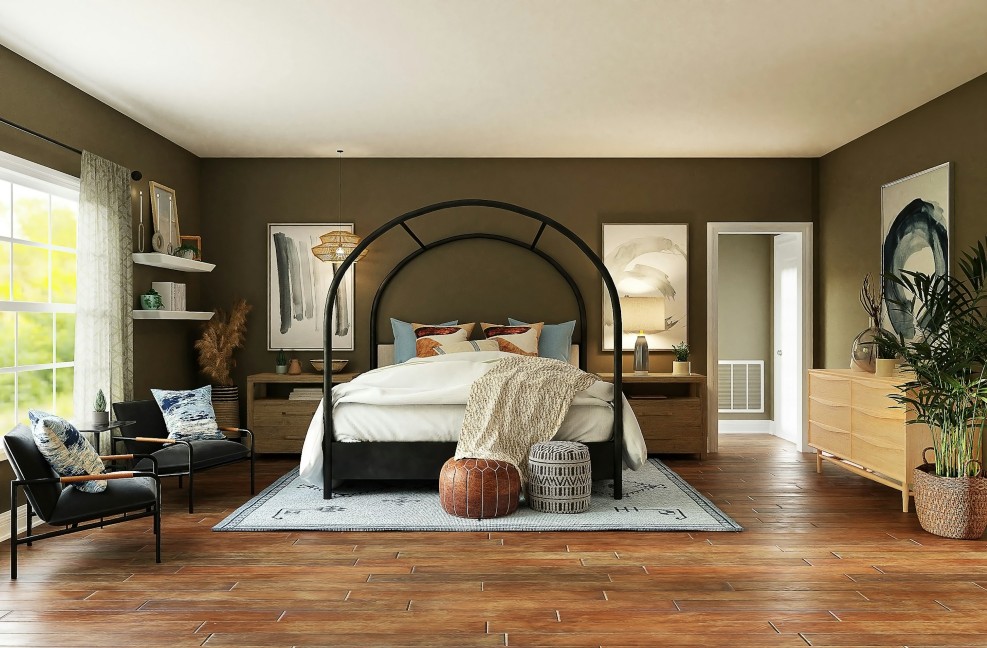
A new home offers clean lines, fresh materials, and the exciting promise of a space shaped entirely around the life you want to live in it. Yet that same blankness can feel surprisingly impersonal. Without careful choices, new construction can read as polished but flat, grand but unwelcoming, beautiful but not quite lived in. The real art lies in turning architectural potential into emotional resonance, so that every room feels not only finished, but fully inhabited.
That is where a thoughtful design perspective matters. Olivia Jane Interiors, a classically current interior design firm, approaches new homes with a clear point of view: luxury should never feel stiff, and elegance should always support daily living. In that balance between refinement and comfort, New Build Interior Design becomes something far more meaningful than selecting finishes. It becomes the process of giving a brand-new house history, rhythm, and soul.
Why New Build Interior Design Needs a Different Mindset
Designing for a new build is not the same as decorating an existing home. Older houses often come with cues that guide the interior story: original millwork, architectural quirks, varied room proportions, or materials that suggest a natural palette. New construction usually starts from a more neutral baseline. The opportunity is enormous, but so is the responsibility. If the interior is not intentionally layered, the result can feel generic, no matter how high-end the finishes may be.
Successful New Build Interior Design begins by looking beyond the standard selections package. Flooring, cabinetry, tile, and lighting should not be treated as isolated decisions. They need to work together with furniture scale, window treatments, wall color, art placement, storage needs, and the way natural light moves through the home throughout the day. A room that looks balanced on a sample board may still fall short if it has not been considered in full context.
This is also why timing matters. The best interiors are not layered in at the end as a cosmetic exercise. They are considered early, while architectural details can still be shaped to support the final vision. Ceiling treatments, built-ins, trim profiles, fireplace design, plumbing placement, and sightlines between rooms all influence the way luxury is ultimately experienced.
The Olivia Jane Interiors Philosophy: Classically Current, Never Cold
The phrase classically current captures a difficult balance. It suggests respect for timeless design principles without becoming formal to the point of discomfort. It allows a home to feel relevant and fresh without chasing trends that may quickly date. For new builds, this philosophy is especially powerful because it protects the home from the two most common pitfalls: sterile minimalism and over-styled novelty.
In practice, this means combining strong foundational choices with softer, more personal layers. A tailored sofa may sit beside a vintage-inspired wood table. Crisp architectural lighting may be paired with tactile textiles, collected ceramics, or a hand-finished rug. Neutral palettes gain depth through variation in tone and texture rather than relying on loud contrast for impact. The result is a home that feels elevated on day one and still compelling years later.
Olivia Jane Interiors approaches livable luxury through restraint, proportion, and intentional detail. Instead of filling every corner, the design focuses on what each room needs to function beautifully. Instead of treating luxury as excess, it is expressed through quality materials, thoughtful composition, and a sense of calm confidence. That distinction matters. True luxury is often less about abundance and more about ease.
How to Make a New Home Feel Layered and Personal
One of the most valuable goals in New Build Interior Design is creating depth. Because new homes lack natural patina, designers must build that richness deliberately. The most compelling interiors do this across multiple dimensions at once: materiality, scale, color, shape, and use.
Key elements that create warmth in a new build
- Material contrast: Pair smoother surfaces such as stone, lacquer, or polished metals with warmer elements like natural wood, linen, wool, and plaster finishes.
- Architectural detailing: Add interest through trim work, paneling, ceiling detail, built-ins, or tailored window treatments that make rooms feel complete.
- Visual rhythm: Repeat forms, tones, and finishes across spaces so the home feels cohesive rather than like a sequence of separate decisions.
- Collected pieces: Incorporate furnishings and accessories that do not look as though they were purchased all at once. A mix of silhouettes and eras creates maturity.
- Comfort-driven planning: Arrange seating, lighting, and circulation around real habits, not just formal symmetry or showroom appeal.
Personalization also comes from understanding how the household lives. A family that entertains often may need a dining area that is visually polished yet resilient enough for frequent gatherings. A couple working from home may need quieter color transitions, layered lighting, and office spaces that feel integrated rather than improvised. A home with children might benefit from performance textiles and concealed storage, but that should never mean compromising sophistication.
When each design choice reflects actual routines, the interior starts to feel authentic. That authenticity is what gives luxury staying power.
A Practical Framework for the Design Process
While every project is different, the strongest results typically come from a structured sequence. New construction offers countless decisions, and clarity early on helps avoid costly revisions later.
- Define the emotional tone of the home. Before selecting finishes, establish the intended atmosphere. Should the house feel tailored and serene, warm and organic, or crisp and metropolitan? This becomes the lens for later choices.
- Shape the architectural foundation. Review trim details, cabinetry style, ceiling moments, flooring direction, and built-ins so that the interior architecture supports the desired mood.
- Build the palette room to room. Choose core finishes with the whole house in mind. Consistency does not mean sameness; it means transitions feel natural and deliberate.
- Plan furniture early. Furniture scale should influence layouts, electrical placement, and circulation from the beginning. A beautiful room can fail if it is sized incorrectly for the way it will be furnished.
- Layer with textiles, art, and objects. This final stage gives the home softness and identity. It is where polish becomes personality.
A disciplined process protects against a common new-build mistake: making many individually attractive selections that do not ultimately create a cohesive home. The point is not simply to choose beautiful things. It is to create relationships between them.
| Common New-Build Challenge | Design Response | Desired Result |
|---|---|---|
| Rooms feel too open or undefined | Use furniture groupings, rugs, lighting, and millwork to establish zones | Spaces feel intentional and more comfortable to live in |
| Finishes look polished but flat | Introduce texture, tonal variation, and handcrafted elements | Greater depth and visual warmth |
| Home feels disconnected from daily routines | Plan around storage, traffic flow, and real habits | Luxury that supports everyday life |
| Overall look may date quickly | Favor timeless forms and selective trend use | Longer-lasting appeal |
Livable Luxury, Room by Room
In the entry, livable luxury begins with clarity. The space should create a strong first impression, but it should also transition people comfortably into the home. A tailored console, balanced lighting, and a controlled palette often do more than excess ornament ever could.
In the kitchen, refinement depends on both beauty and utility. Cabinetry proportions, countertop edge profiles, hardware, and lighting all matter, but so do appliance placement, prep flow, and the visual relationship between the kitchen and adjoining gathering spaces. Since the kitchen is often the heart of a new build, it should feel integrated with the broader design language of the home rather than treated as a standalone showpiece.
Living spaces benefit from softness. Even in homes with impressive ceiling heights or expansive glazing, the room should invite people to settle in. Upholstery with depth, layered lighting, and a considered mix of structured and organic shapes help offset the inherent newness of the architecture.
Bedrooms should feel edited, not underdesigned. Quiet luxury here often comes from upholstered elements, thoughtful bedside lighting, gracious drapery, and materials that create calm rather than visual noise. Bathrooms, meanwhile, should balance spa-like serenity with practical storage and durable surfaces. The most successful ones feel restorative without becoming impersonal.
Across every room, the guiding principle remains the same: a home should support real life beautifully. That is the essence of livable luxury.
Conclusion: Designing a New Home That Already Feels Like Yours
The promise of New Build Interior Design is not simply that everything is new. It is that everything can be considered with intention from the start. When done well, a new home does not feel blank, overly precious, or finished only at the surface. It feels settled, expressive, and deeply comfortable from the moment you walk in.
Creating that feeling requires more than taste. It calls for a disciplined eye, a sensitivity to architecture, and an understanding of how people actually want to live. The Olivia Jane Interiors approach stands out because it treats luxury as something to be experienced, not displayed. Through a classically current sensibility, new construction can become layered, enduring, and unmistakably personal. In the end, that is what transforms a beautiful new house into a truly livable home.
