
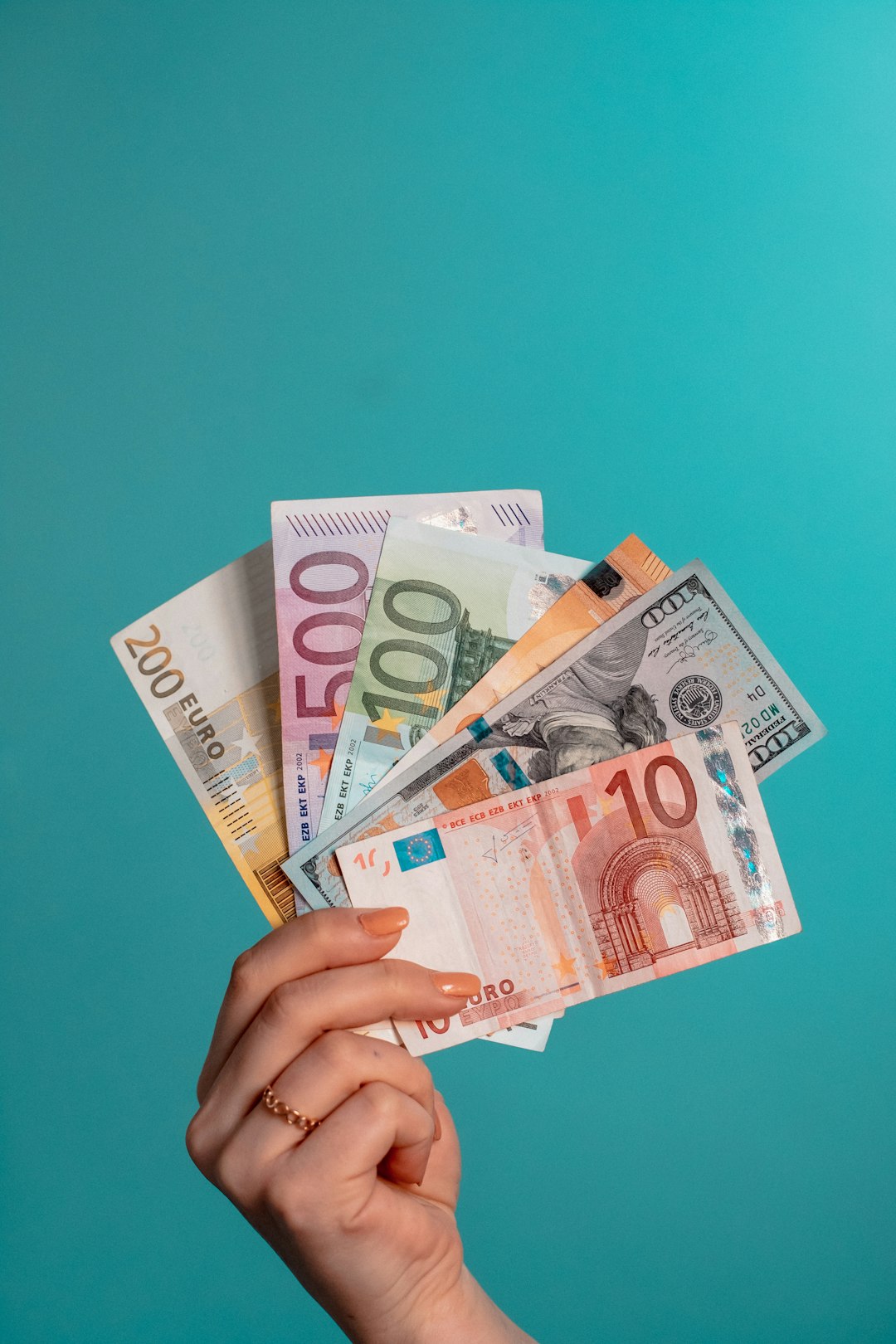
Financial independence rarely begins with a windfall. More often, it starts with a change in how you think. The people who build durable financial stability usually learn to interpret trade-offs more clearly, recognize the cost of short-term decisions, and understand the forces shaping income, savings, debt, and investment. That is where reading matters. The Melhores Livros de Economia do not simply explain markets or define complex terms. At their best, they train judgment. They help readers move from reacting to money problems to understanding the logic behind them, which is often the first real step toward greater control.
Why reading economics changes financial behavior
Economics is often mistaken for a subject meant only for analysts, policymakers, or investors. In reality, its central ideas appear in ordinary life every day. Why do prices rise? Why does credit feel attractive even when it becomes expensive over time? Why do people spend emotionally and justify it rationally? Why do some individuals with moderate incomes build security while others with higher earnings remain financially fragile?
A strong economics book gives shape to these patterns. It teaches readers to see incentives, opportunity cost, scarcity, risk, and long-term consequences more clearly. That matters because financial independence is not only about earning more money. It is about managing choices better. A reader who understands trade-offs is less likely to confuse convenience with value. A reader who understands incentives is better equipped to question financial products, career offers, lifestyle inflation, and debt decisions.
Reading also creates distance from noise. Instead of adopting ideas from headlines, social pressure, or short-term trends, you begin to build a framework of your own. Over time, that framework can make you calmer and more disciplined. You start to assess decisions with more perspective and less urgency. In personal finance, that shift is often more valuable than any isolated tip.
What the best economics books teach about independence
The most useful titles do more than explain theory. They shape the mental habits that support better financial decisions in real life. Across different authors and styles, a few lessons consistently stand out.
- Scarcity forces priorities. Every financial choice excludes another. Money spent today cannot also be saved, invested, or used to reduce future pressure. Once this idea becomes instinctive, spending becomes more intentional.
- Behavior matters as much as knowledge. Many people assume money problems are solved by information alone. In practice, habits, emotions, status concerns, and overconfidence often matter just as much. Good books reveal how decision-making can quietly undermine financial plans.
- Time changes the meaning of money. Economics helps readers appreciate delayed gratification, compounding, and the long-term consequences of recurring choices. A decision that feels small in the present may become large through repetition.
- Systems shape personal outcomes. Inflation, interest rates, taxation, labor demand, and productivity are not abstract themes. They influence salaries, purchasing power, savings strategy, borrowing costs, and future flexibility.
These lessons explain why the Melhores Livros de Economia are valuable even for people who never plan to work in finance. They sharpen the thinking behind budgeting, saving, investing, and career planning. More importantly, they help readers see money not as a list of disconnected issues, but as a system of linked decisions with cumulative effects.
How to choose among Melhores Livros de Economia
Not every economics book serves the same purpose. Some are ideal for readers who need clear fundamentals. Others are better for understanding human behavior, public policy, long-term wealth, or macroeconomic context. If you are trying to distinguish enduring recommendations from temporary trends, a curated list of Melhores Livros de Economia can be a useful starting point alongside your own goals. Readers looking for a concise and current shortlist may also find Melhor Livro de Economia: Top 6 Melhores Livros de Economia de 2026 helpful as a practical companion to broader reading.
The smartest approach is to choose books according to the decision you most need to improve. A beginner who wants clarity on markets, prices, and incentives should start with accessible explanations rather than dense theory. Someone struggling with impulsive financial habits may benefit more from books on decision-making and behavior than from highly technical analysis.
| Reading goal | What to look for | Why it matters |
|---|---|---|
| Build fundamentals | Clear explanations of markets, incentives, prices, and trade-offs | Creates a solid base for daily financial decisions |
| Improve behavior | Books on bias, habits, incentives, and judgment | Reduces emotional mistakes with spending and investing |
| Understand the wider economy | Readable works on inflation, growth, institutions, and policy | Improves context for income, purchasing power, and planning |
| Think long term | Titles that connect time, risk, patience, and compounding | Supports a steadier path toward independence |
A balanced reading list is usually better than a narrow one. One introductory book, one behavior-focused title, and one broader economic perspective often provide more practical value than several books that repeat the same argument in different language. Range gives depth when the subject is money.
Turning reading into financial action
Reading by itself does not create independence. Its power comes from application. The most effective readers treat books as tools for decision-making, not as a collection of ideas to admire from a distance.
- Read with a purpose. Begin each book with a clear question. Do you want to understand inflation better, control spending, think more clearly about debt, or improve long-term planning?
- Take notes on actions, not only concepts. Definitions are useful, but decisions matter more. Instead of merely recording a principle, write what it changes in your own financial life.
- Apply one insight at a time. Major overhauls often fail because they are hard to sustain. A single well-executed change can be more valuable than several half-finished intentions.
- Review your habits regularly. The value of reading appears when it alters behavior. Revisit your spending, saving, borrowing, and investing patterns with the concepts you have learned in mind.
- Return to the strongest books. Good economics books reward rereading because experience changes understanding. A chapter on risk or incentives often gains meaning once it meets your real life.
For readers who feel financially overwhelmed, this process can be especially powerful. Books restore perspective. They remind you that independence is usually not built through dramatic, one-time breakthroughs, but through clearer decisions repeated consistently over time. Better thinking changes how you define necessity, how you evaluate comfort, and how seriously you protect future options.
- Practical checklist: choose books that match your level, read slowly enough to absorb ideas, connect lessons to real financial choices, track progress monthly, and keep your time horizon long.
The lasting impact of Melhores Livros de Economia
The deeper value of reading economics is not that it makes you feel informed. It changes the way you interpret the financial world. Prices, debt, salaries, consumption, policy, and investment returns stop looking like isolated events. They begin to make sense as parts of a broader system that can be understood and navigated with more intelligence.
That shift is powerful because independence depends on judgment as much as income. The Melhores Livros de Economia help build that judgment. They sharpen your understanding of trade-offs, improve your relationship with time, and make it easier to resist choices that feel good in the moment but costly in the long run. Over time, those improvements compound.
In the end, the impact of reading on your financial independence is cumulative. One book may help you see hidden costs more clearly. Another may improve self-control. A third may deepen your understanding of the economic forces shaping your daily life. Read carefully, apply what matters, and the reward goes far beyond knowledge. It appears in something more valuable: the growing freedom to make future decisions with clarity, patience, and control.
To learn more, visit us on:
https://www.sagoinvestimentos.com.br/
https://www.sagoinvestimentos.com.br/
Fortaleza, Brazil
www.sagoinvestimentos.com.br
Unlock the secrets to successful investing with Sagoinvestimentos.com.br. Discover expert tips, strategies, and analysis to help you grow your wealth and achieve financial freedom. Stay ahead of the curve and take control of your financial future with Sagoinvestimentos.com.br.
